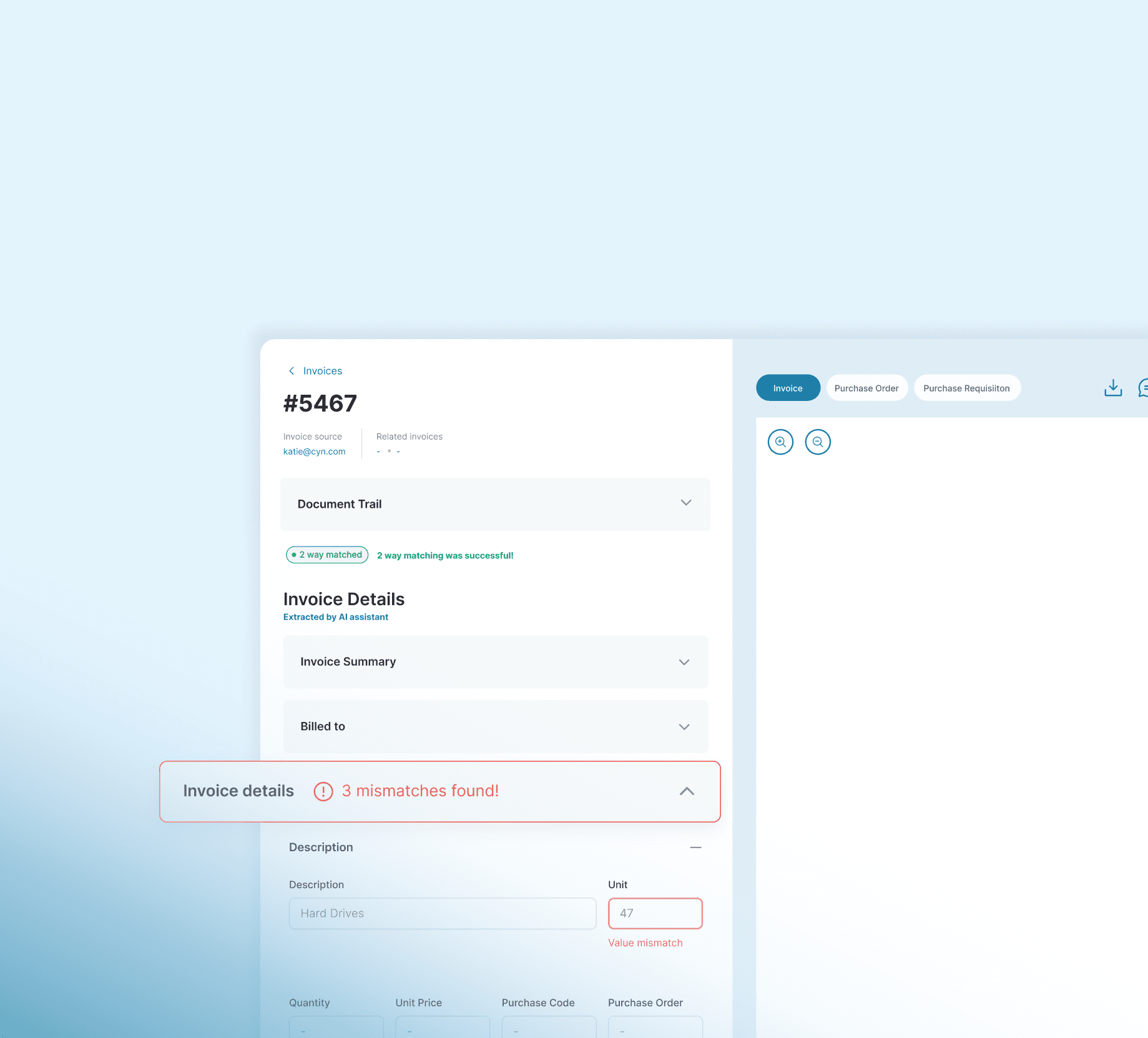
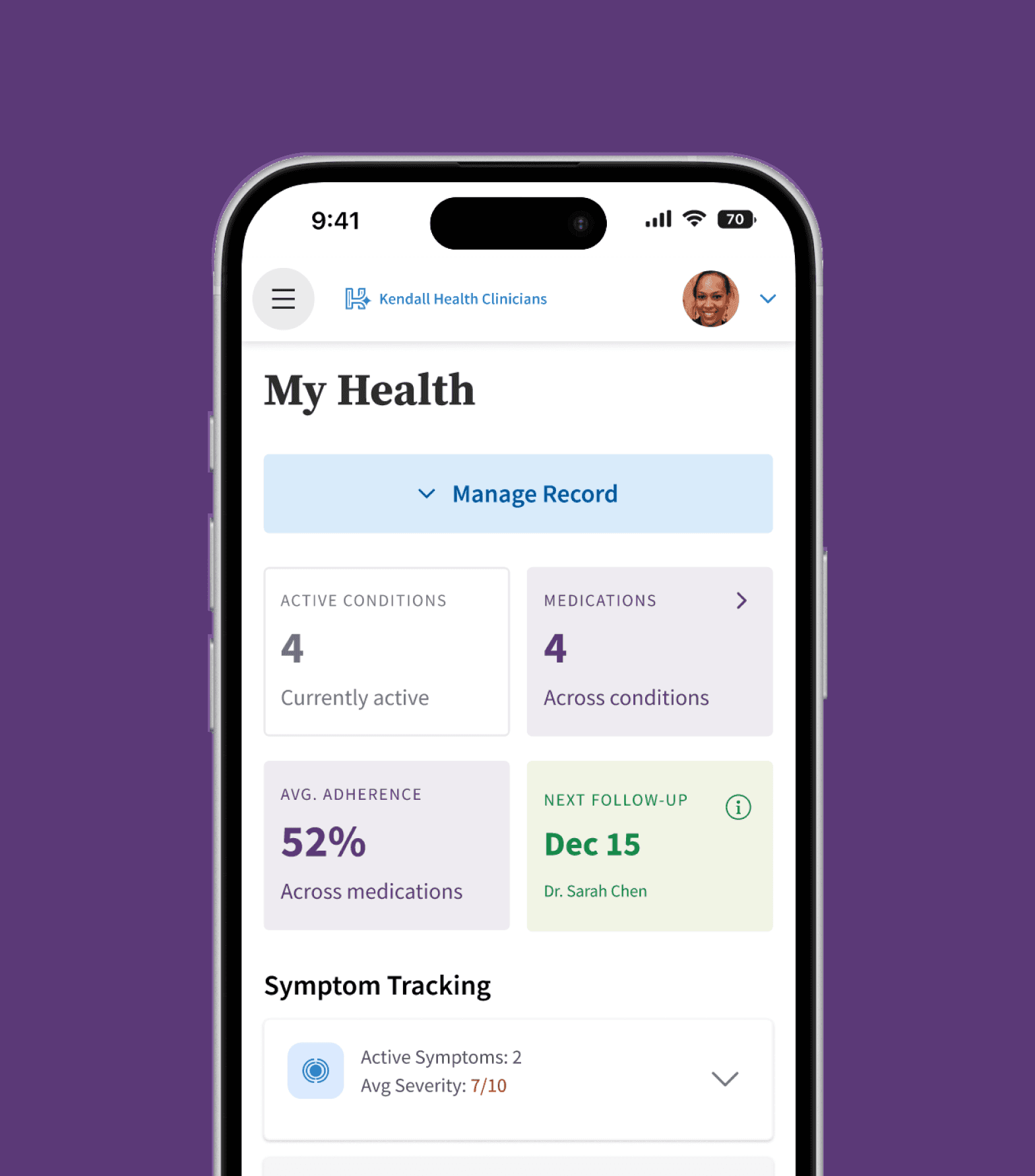
Enhanced Medication Management

B2C

Health tech

Proactive medication and Care Plan management solution for patients with chronic conditions

My Role: UX Designer

  • Led end-to-end product design from secondary research and portal audits to concept development, prototyping, and two rounds of unmoderated usability testing with chronic condition patients

Team

Lead UX Designer

Duration

Jan - Apr 2026

Tools

Figma, Figma Make, Claude

Redesign Impact

3-4 hours

projected time saved per week(schedule management)

36%

reduction in task completion time (accessing practice reports)

40%

reduction in clicks

(accessing key workflows)

Enhanced Medication management

B2C

Health tech

Proactive medication and Care Plan management solution for patients with chronic conditions

My Role: UX Designer

  • Led end-to-end product design from secondary research and portal audits to concept development, prototyping, and two rounds of unmoderated usability testing with chronic condition patients

Team

Lead UX Designer

Duration

Jan - Apr 2026

Tools

Figma, Figma Make, Claude

Enhanced Medication management

B2C

Health tech

Proactive medication and Care Plan management solution for patients with chronic conditions

My Role: UX Designer

  • Led end-to-end product design from secondary research and portal audits to concept development, prototyping, and two rounds of unmoderated usability testing with chronic condition patients

Team

Lead UX Designer

Tools

Figma, Figma Make, Claude

Duration

Jan - Apr 2026

BACKGROUND

Athenahealth's patient portal serves over 50 million patients across 6,300+ practices

From appointment management to billing and care team coordination, the portal caters to various needs of patients.

PROBLEM

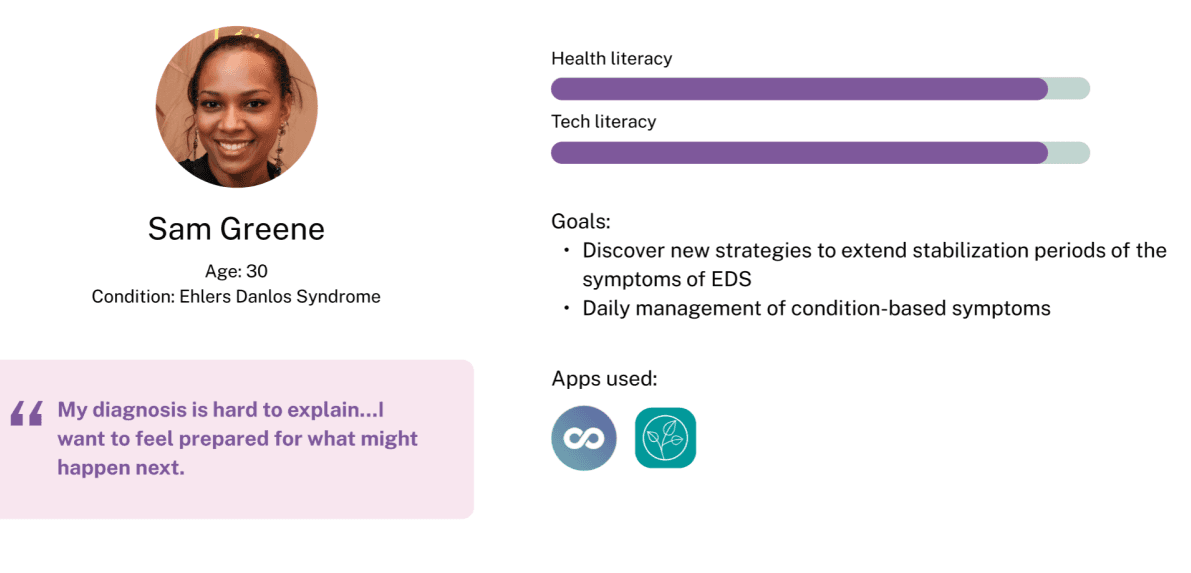
Sam, living with EDS, struggles to manage their medications alongside their symptoms on a daily basis — much like many folks with chronic conditions

They manage multiple symptoms as well as medications that include regular, PRN and preventative ones.
DESIGN BRIEF

RESEARCH

Medication non-adherence remains a substantial point of concern for chronic patients overall

50%

patients in the U.S stop taking medications a year after prescription

44-77%

likelihood of patients with multi-morbidity stopping their medications within a year

Lack of education

Lack of education

Side effect concerns

Side effect concerns

Socio-economic factors

Socio-economic factors

Why this matters: Adherence to prescribed medications is associated with improved clinical outcomes for chronic disease management and reduced mortality from chronic conditions

Persona Research

For Sam, medication adherence is shaped by symptom uncertainty—not routine
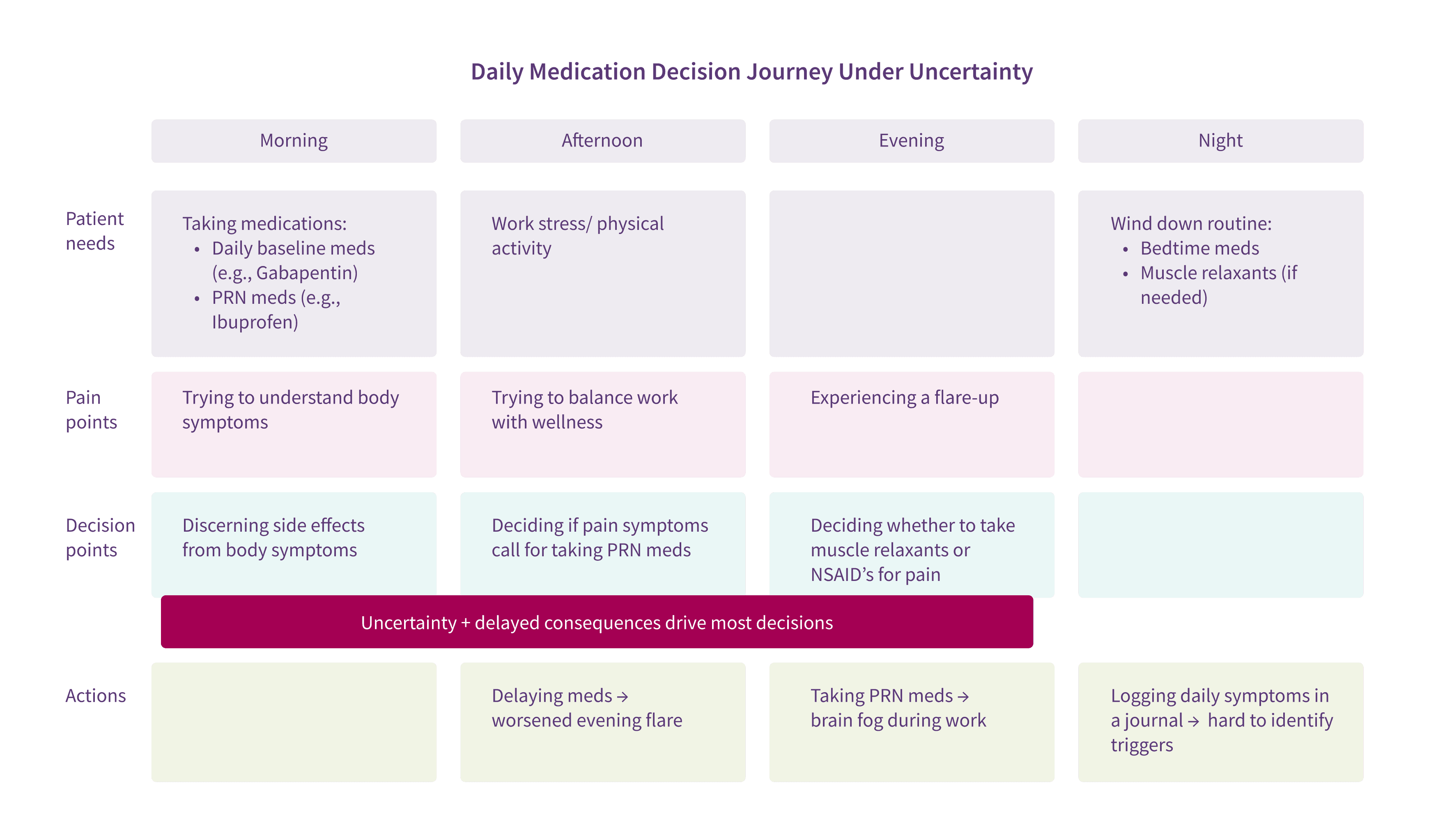
Patients don’t just forget to take medications: they struggle to interpret symptoms, connect them to medications, and communicate that complexity to care teams

This disconnect makes it difficult for Sam to form a clear, holistic understanding of her condition.

"I’m unable to advocate for my symptoms as a whole when I talk to my care team”

— Sam Greene

Portal Audit

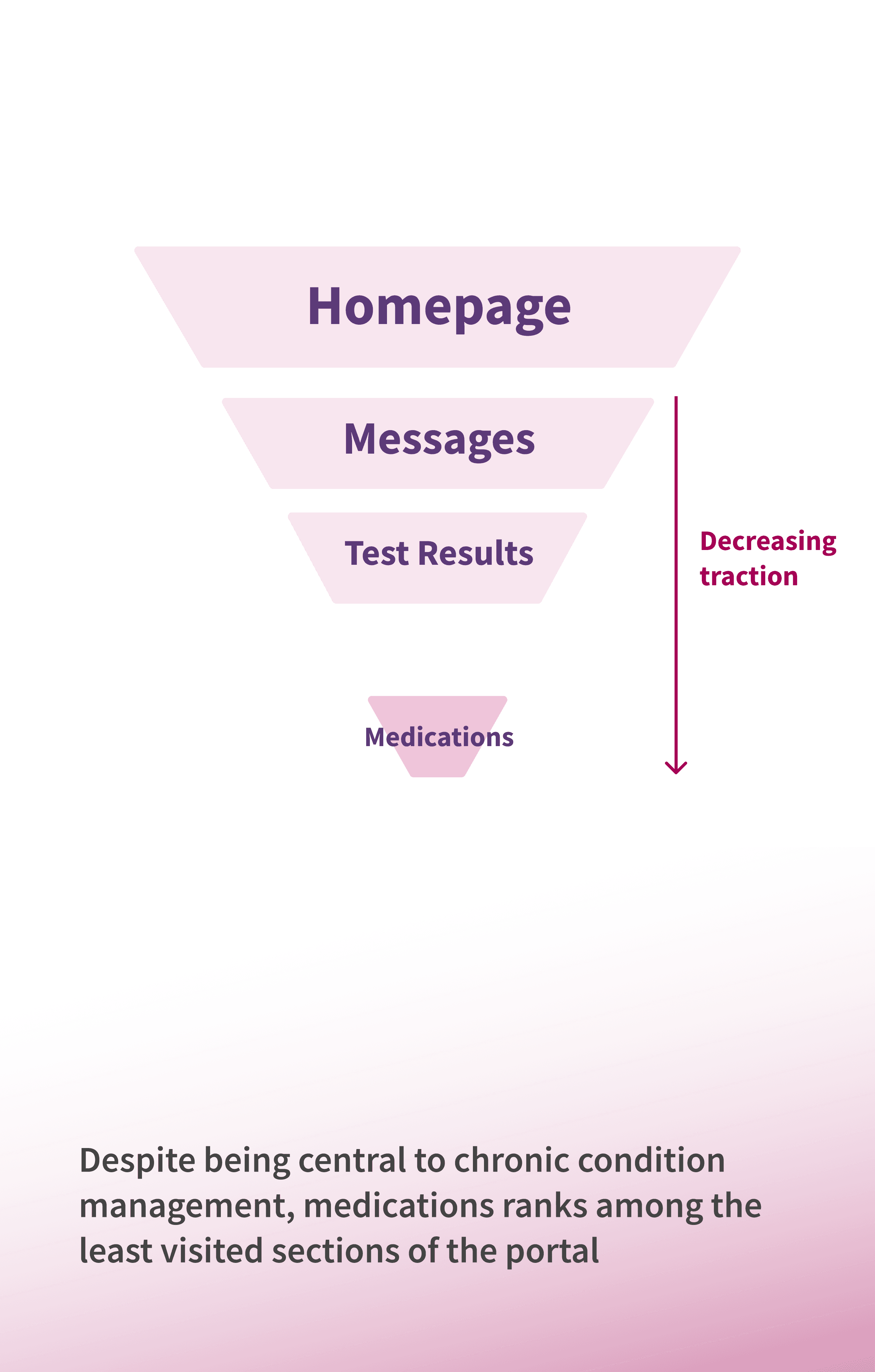
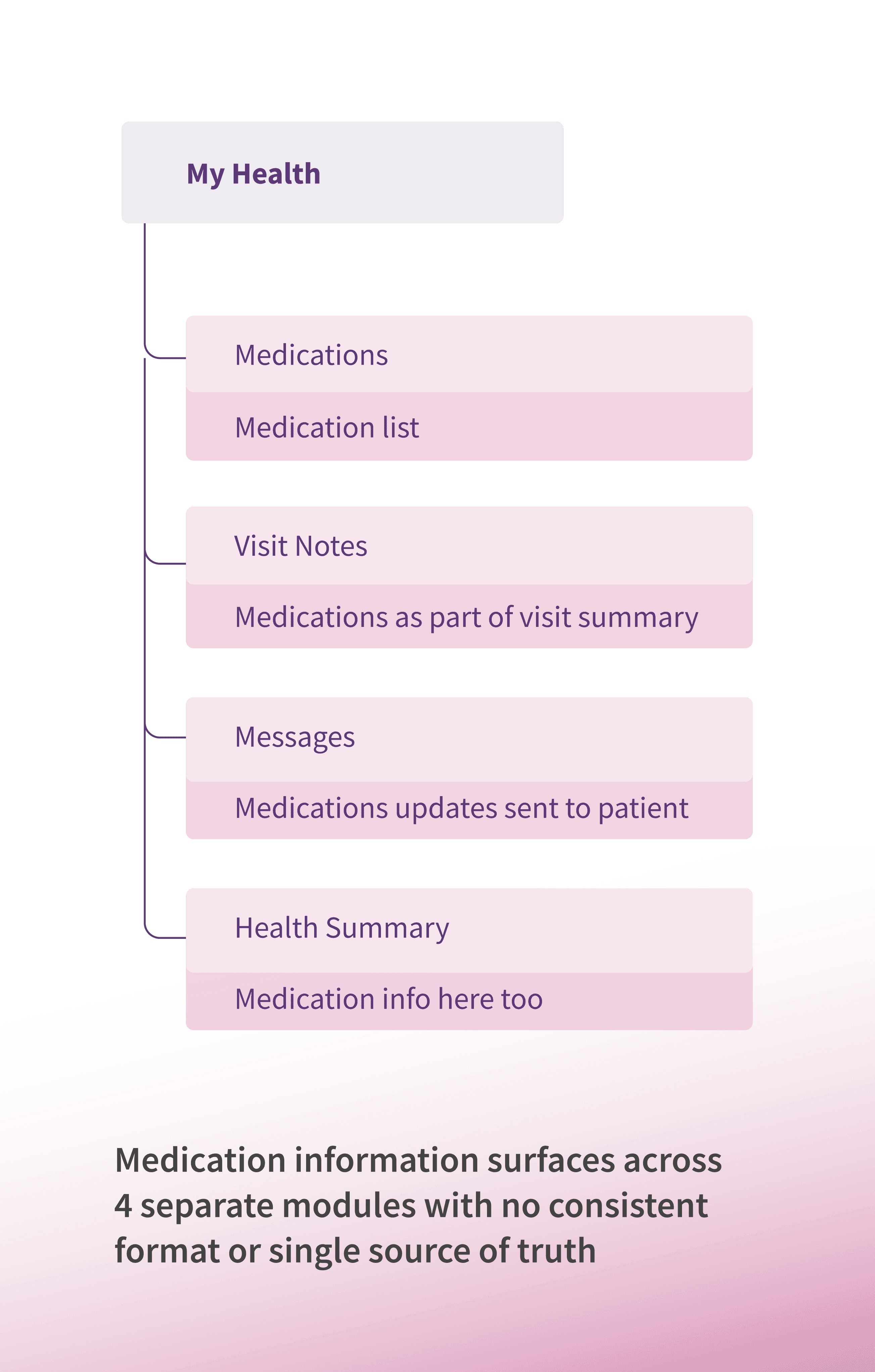
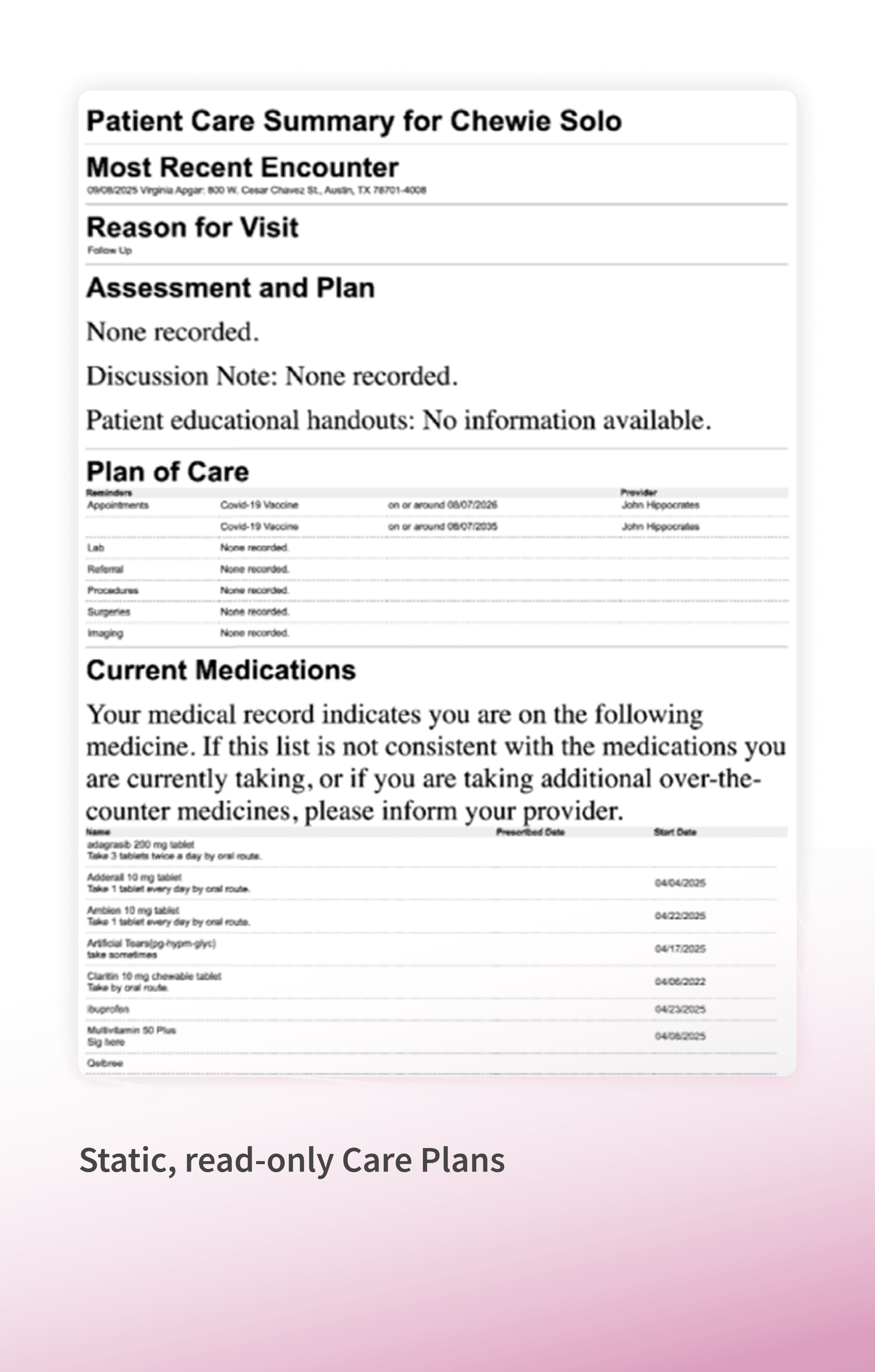
Athena’s patient portal supports logistics like appointments and billing, but doesn’t meet the medication management needs of patients with chronic conditions like Sam
DESIGN GOALS

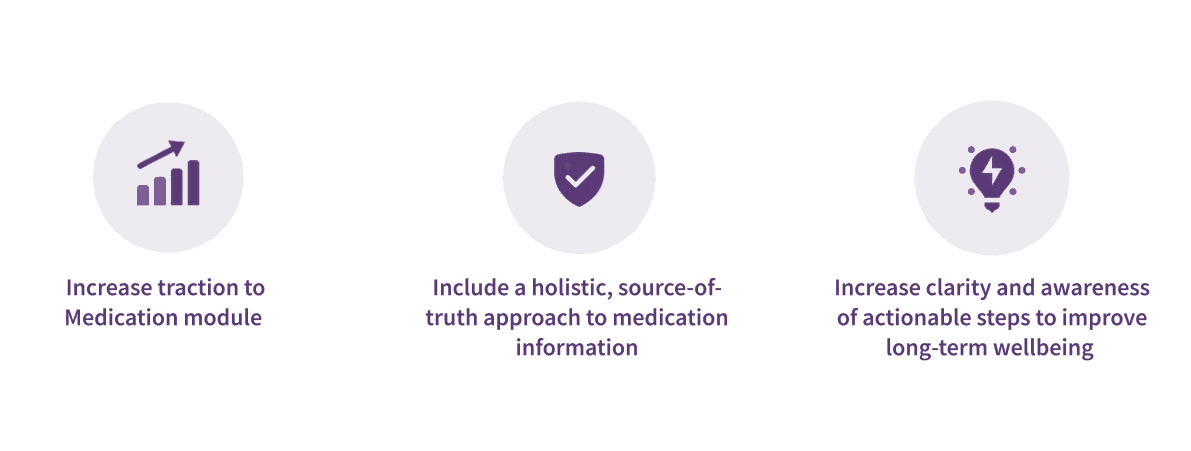
I outlined 3 main design goals based on the current opportunities for addressing non-adherence issues
Athenahealth is uniquely positioned to create a bridge between health tracking apps' info used by folks like Sam and the care teams who coordinate with them to help bring a holistic health snapshot

IDEATION

Early directions ranged from an AI symptom chatbot to a full body map interface; both were eliminated for liability and usability reasons respectively. The directions that made the cut shared a common thread: they worked with existing infrastructure, met patients where they already were, and closed the loop between patient data and clinical visibility.

"Data is overly commodified; can we provide value through enhanced capabilities?"

— Backend engineer, Athenahealth

My discussion with the engineer sparked new ideas regarding valuable capabilities, but it also led me to assess the data available upstream within the Epocrates portal, which is used by clinicians to manage health records and clinic operations.


Finding a wealth of data here made me realize the first step to empowering patients is sharing the valuable information from Athena's clinician-facing platform that could help them learn more about their medications.

DESIGN

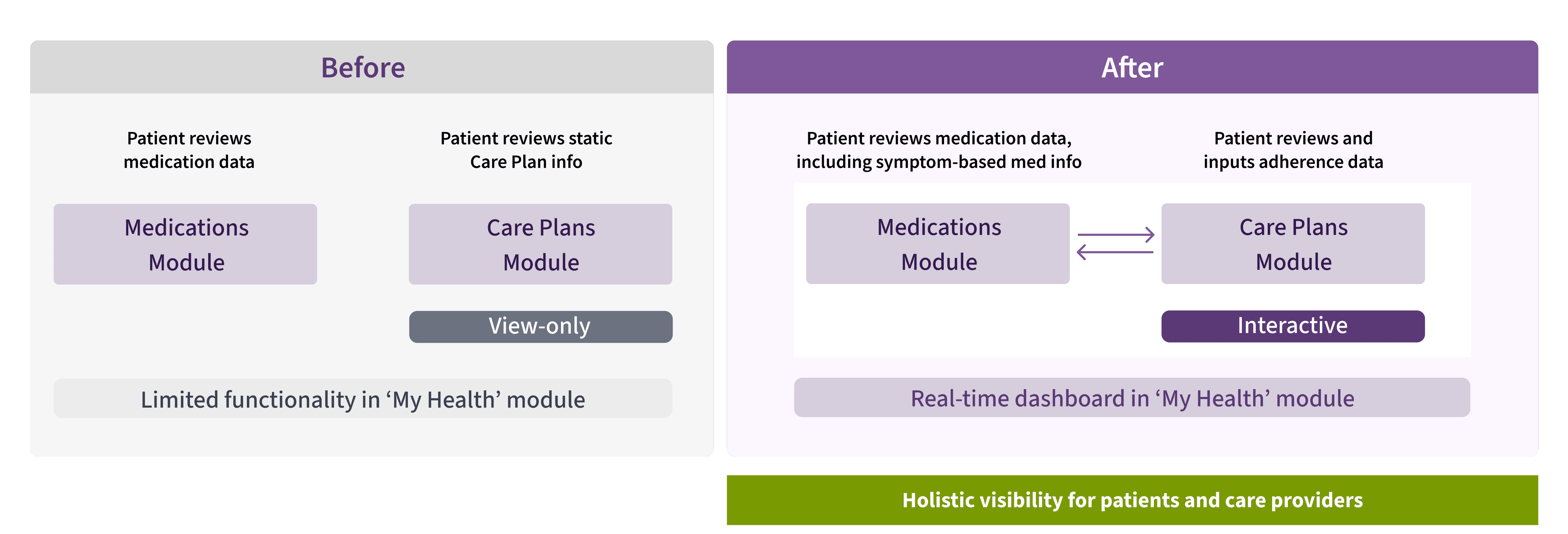
A three-pronged approach to improving long-term adherence through surfacing relevant alerts at crucial points in time, surfacing key medication information to make it accessible to patients and encouraging proactive tracking of overall health management through interactive Care Plans.
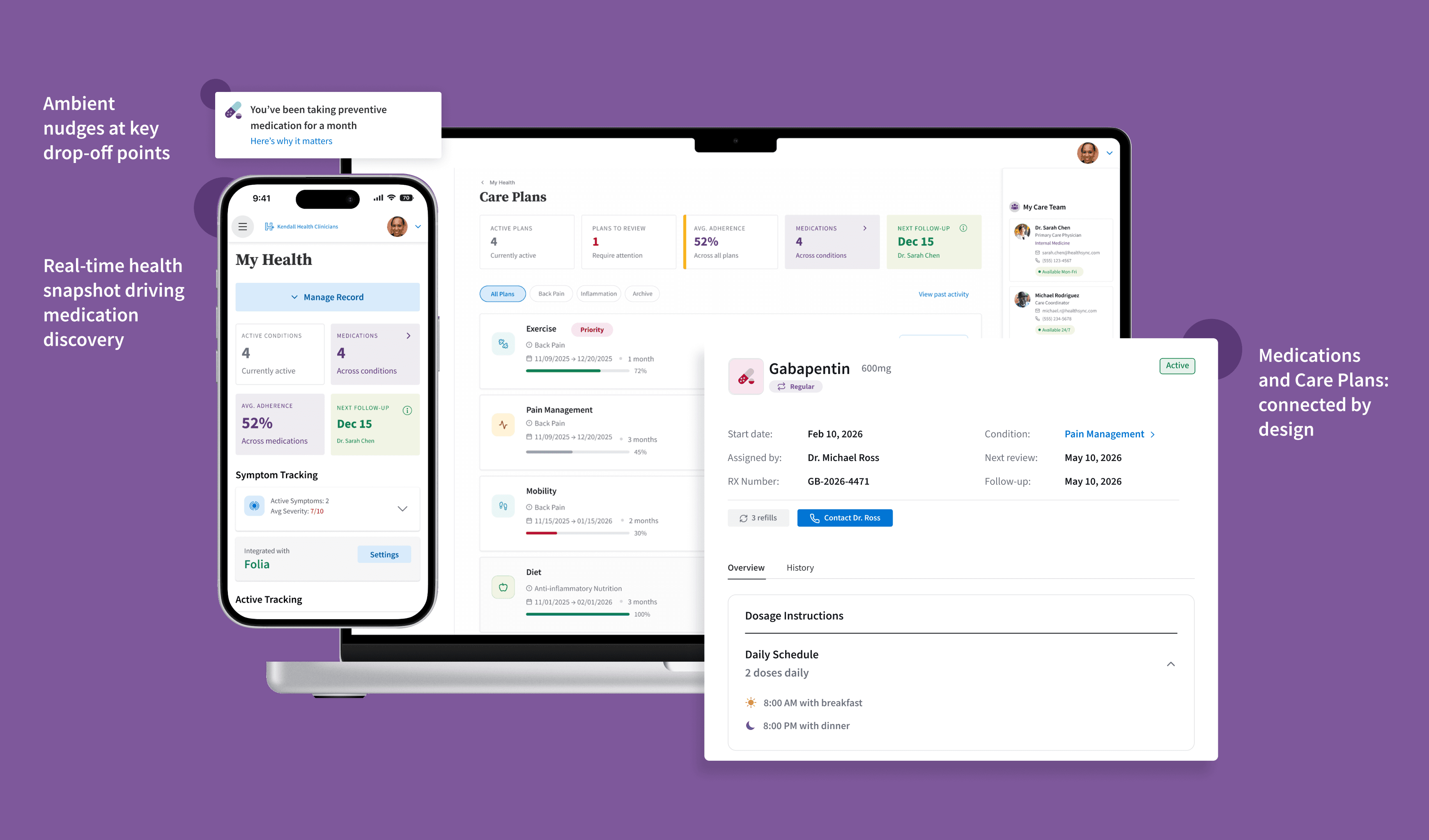
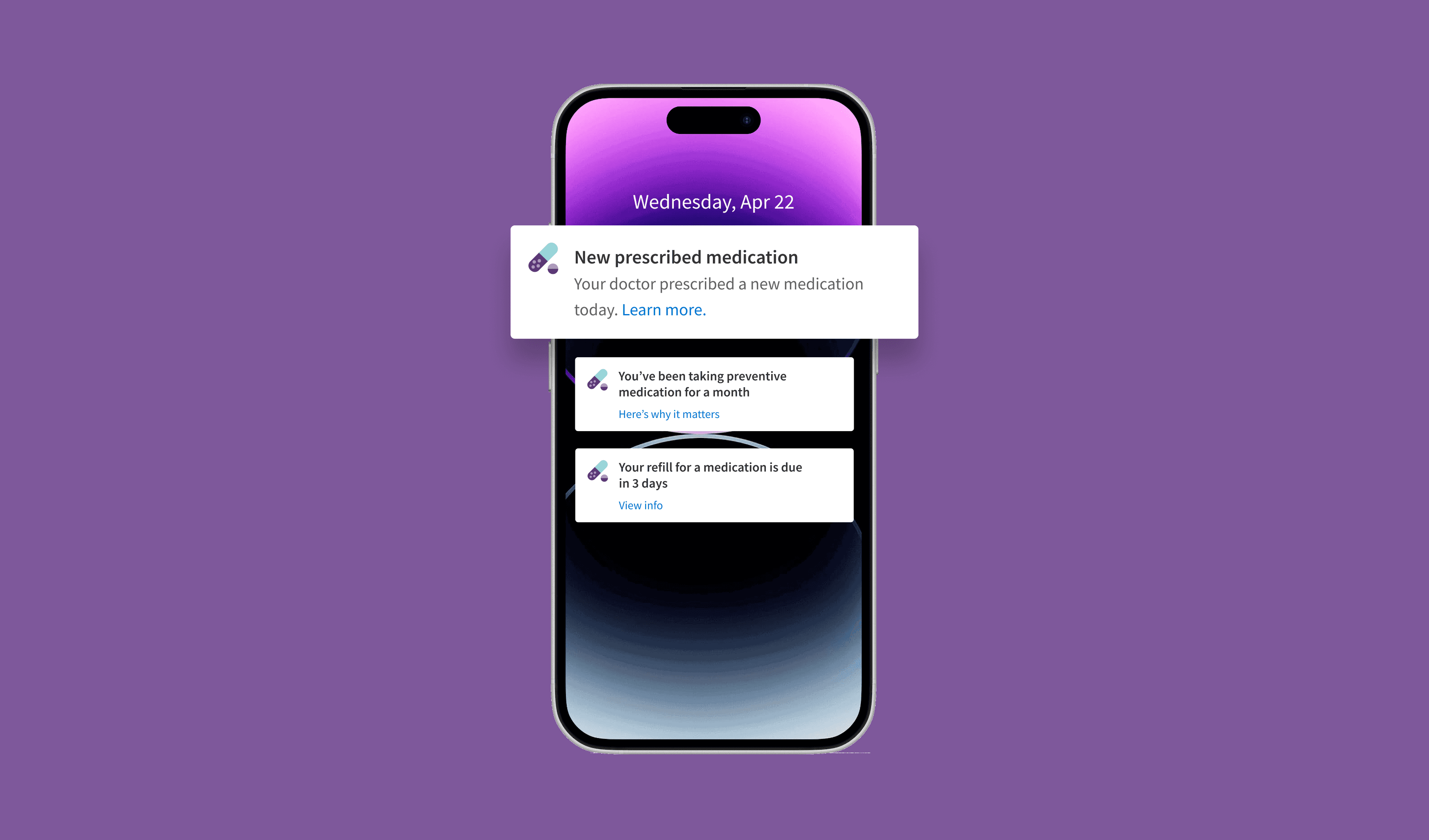
Push notifications on 30, 60 and 90-day adherence drop-off points

Using existing RxInform infrastructure to launch medication adherence campaigns on key drop-off points like 30, 60, 90-day marks to promote awareness.


"Social Contract" strategy has shown a 20% increase in patient self check-in and portal engagement. 
Consistent medication information with symptom-based dosage guidance

Medication information appearing in three different formats across four modules created confusion and eroded trust. Standardizing to a single medication card component, with plain language pulled from Epocrates, gave patients a consistent source of truth regardless of where they encountered their medication information. 

Interactive Care Plans to surface real-time goal tracking for care teams linked to Medications

Using interactive Care Plan model to close the loop on plans assigned by care teams to patients; aimed at showing progress to patients and actionable data to keep up motivation, with a focus on how medications play a role in their larger health management journeys.

TESTING

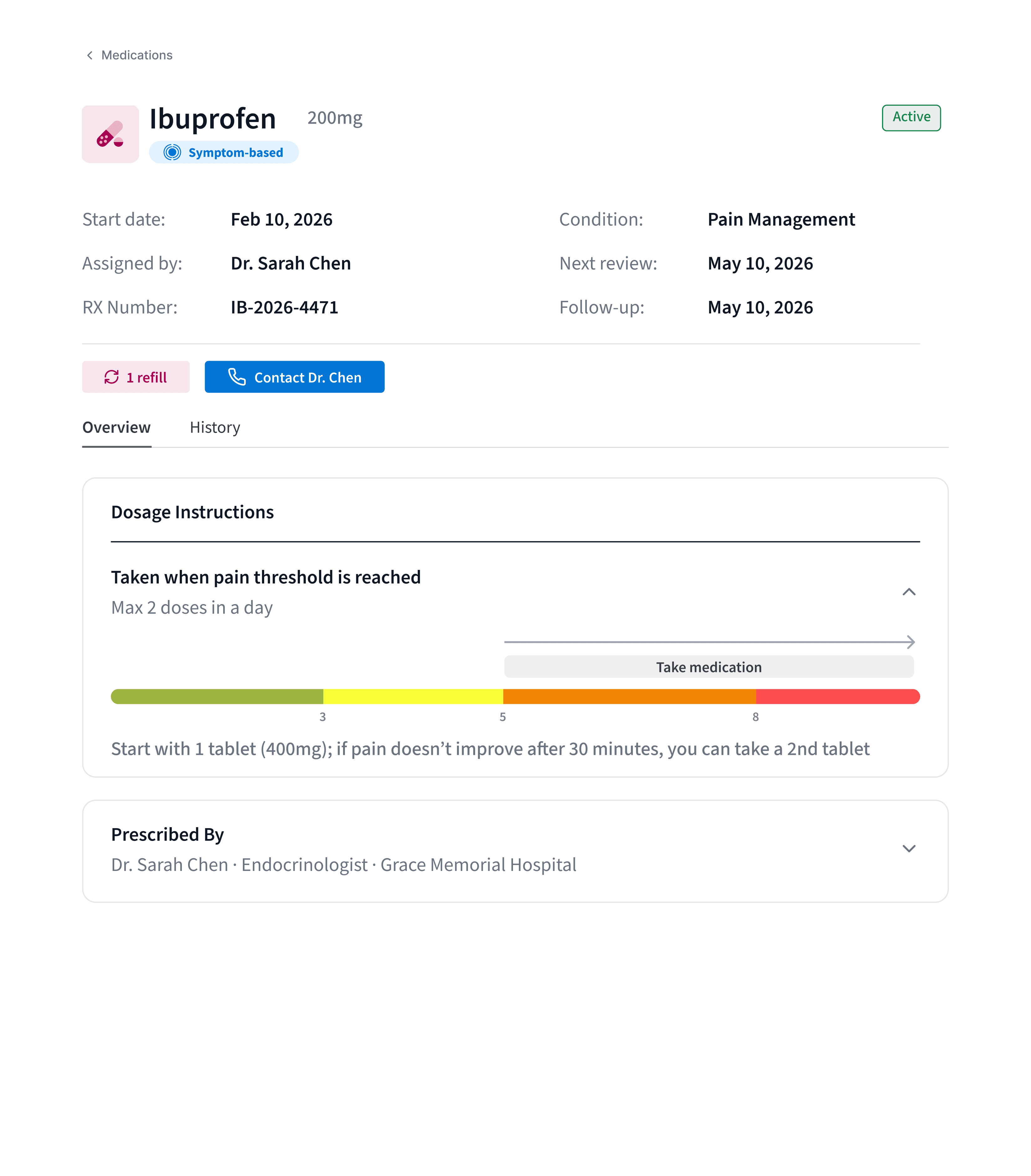
Tracking medications and viewing dosage history was intuitive while viewing dosage instructions was not clear

While 100% of the participants found previous dosage change information for their medications, only 40% succeeded in finding specific, symptom-based dosage instructions due to them being included within an expandable accordion. The accordion was changed to being open by default.
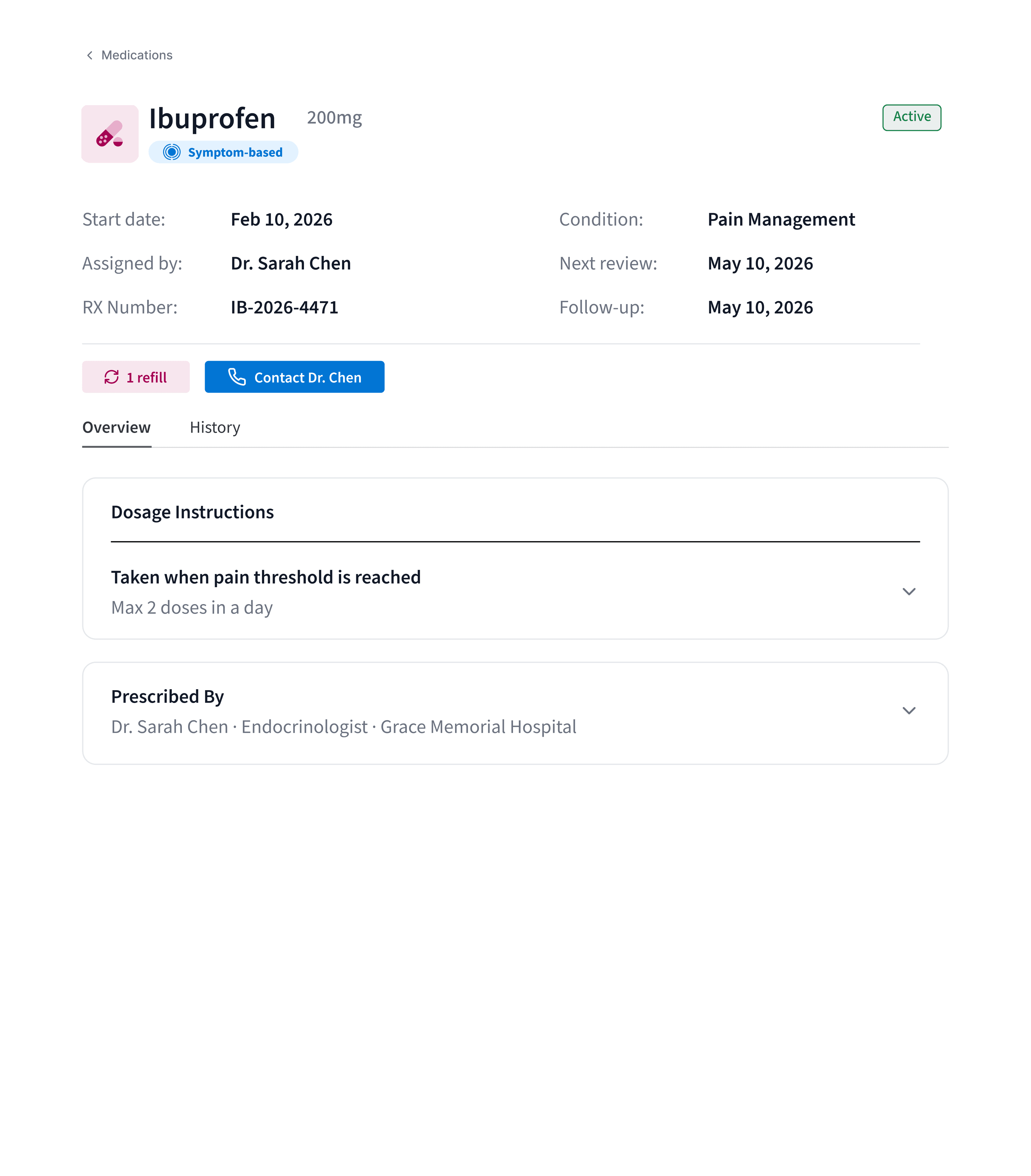
Before

Pain -based medication dosage information shown after expanding the accordion

After

Symptom-based dosage information shown by default so patients don't miss it

Round 2 usability testing revealed a jump of task success rate of 40% to 100% after making this change.

Before

Pain -based medication dosage information shown after expanding the accordion

After

Symptom-based dosage information shown by default so patients don't miss it

Round 2 usability testing revealed a jump of task success rate of 40% to 100% after making this change.

While participants found pain-based medication information and Care Plan activity sharing with care teams useful, some pointed out concerns about Care Plan tracking being invasive

"I usually "wing it" when assessing pain or other symptoms, which can be kind of unreliable; This objective, data-driven measurement is more helpful for assessing where I'm headed over time…"

P2,

round 1 testing

"I also assume that my doctor has access to this info, which is motivating and makes me want to stay on track more so than if the doctor couldn't see"

P3, round 1 testing

"While the Care Plans seemed comprehensive, I was concerned that they were too involved…I kept wondering whether I'd get a little bit less attentive to some of them and kind of stop checking them due to data overload."

P2, round 1 testing

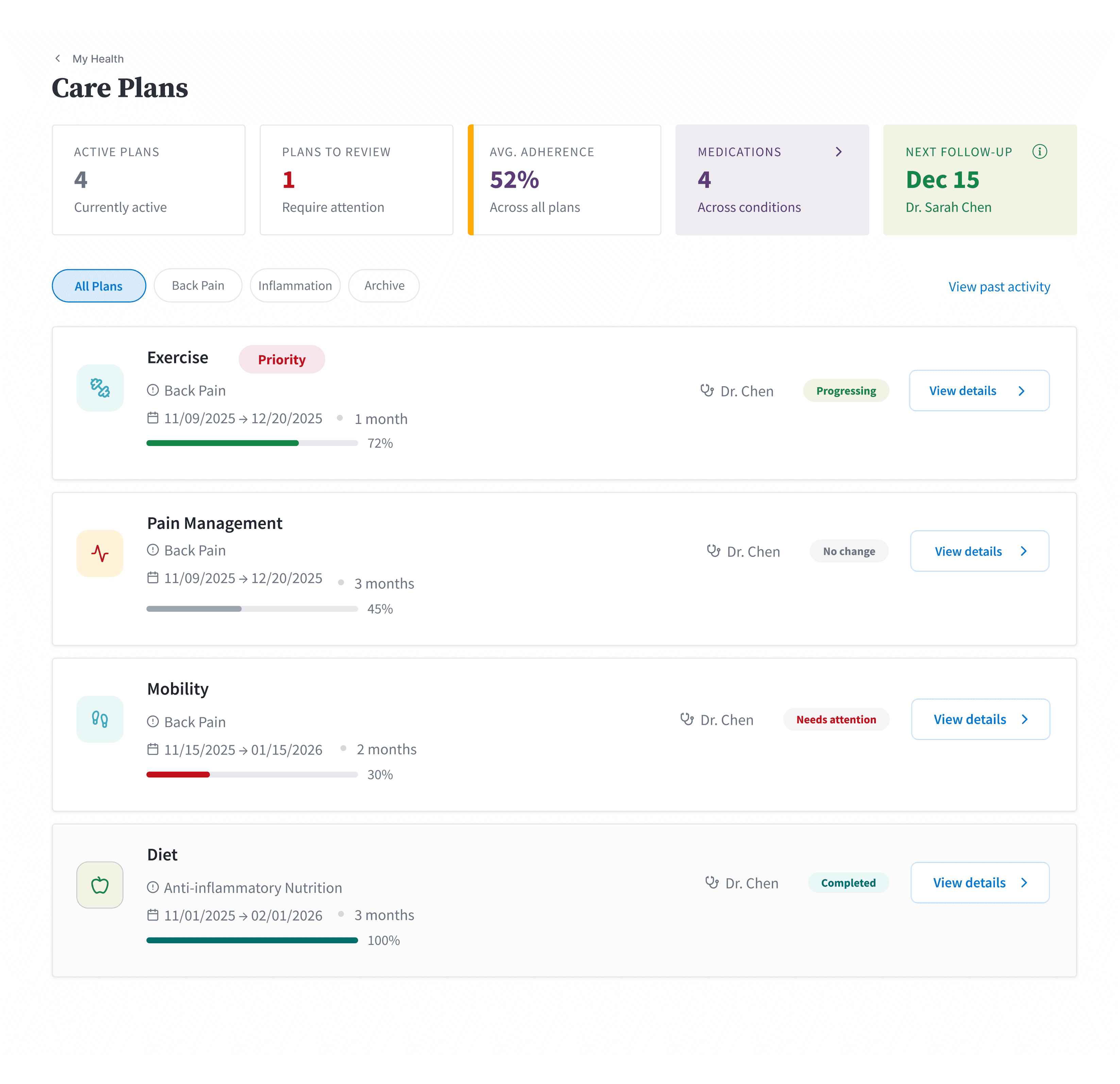
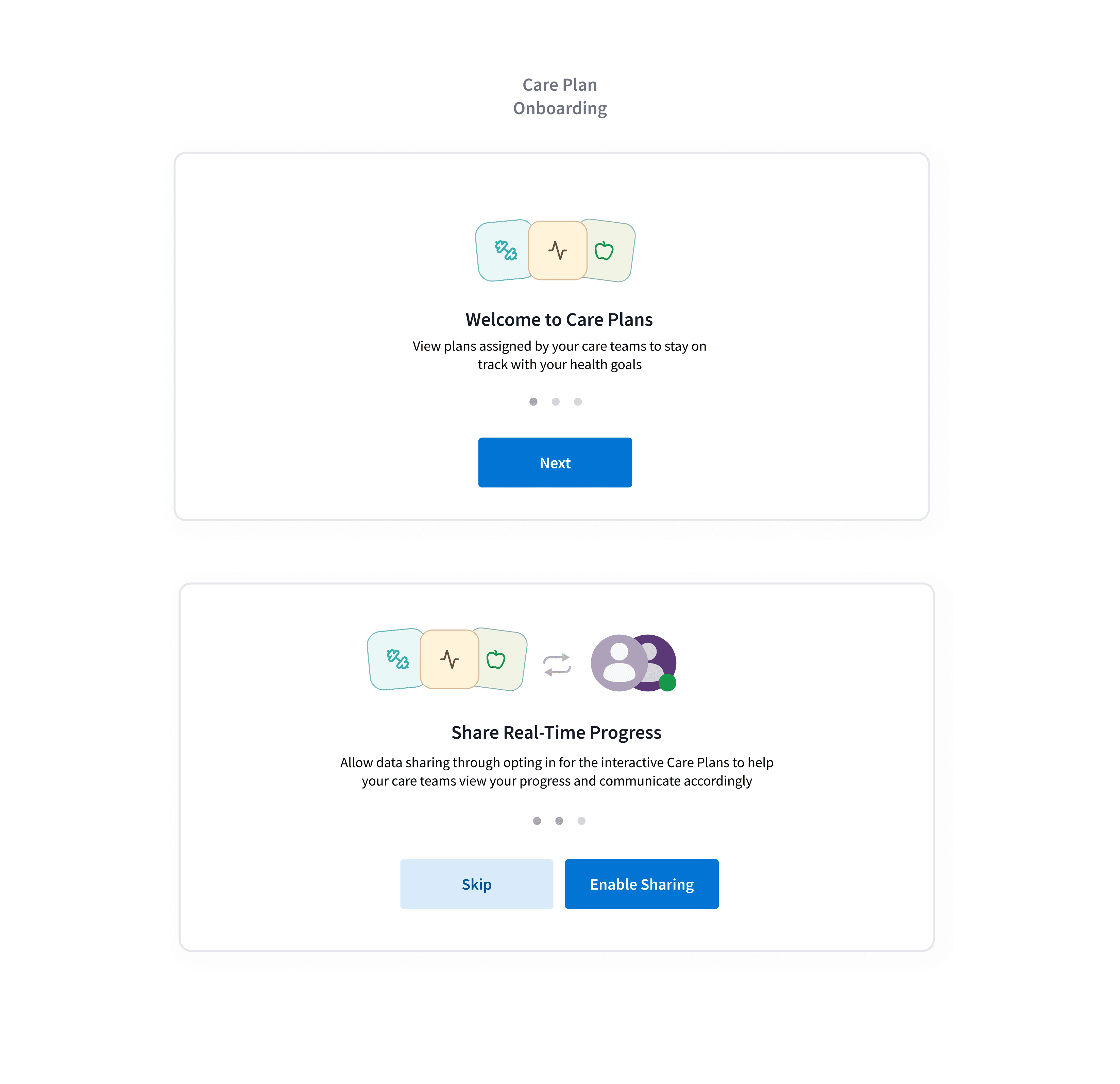
Introducing an opt-in system for Care Plans to help patients find the balance between the data they'd like to share with care teams and manage on their own
Before

Standard Care Plan activity being tracked for sharing with the patient's care team

After

Option for patients to enable sharing their Care Plan adherence data with care teams based on their priorities and level of comfort

Before

Standard Care Plan activity being tracked for sharing with the patient's care team

After

Option for patients to enable sharing their Care Plan adherence data with care teams based on their priorities and level of comfort

IMPACT

Improved Medication Tracking

Tracking

5.0/5

Avg rating for medication tracking features

Adherence

4.2/5

Avg rating for reported motivation to stay on medication course

LEARNINGS

User motivation has a ceiling in portal-only design

The usability sessions indicated positive patterns in terms of improved medication tracking and motivation for adherence; however, there's only so much a flat screen can nudge patient towards. The adherence issue is a highly nuanced and layered issue to resolve on a systems level scale.

Secondary research as a design compass when primary access is limited

Learning to zoom in and out as required through doing research using tools like Marvin was extremely helpful as the project had primary research constraints during the ideation phase,

Clinical liability reframing interaction design

Working with liability constraints pushed me to dig deeper and ideate on alternate ways of shifting from prescriptive recommendations to sharing pattern-based information with patients; this changed the entire interaction model for symptom-based dosage guidance.

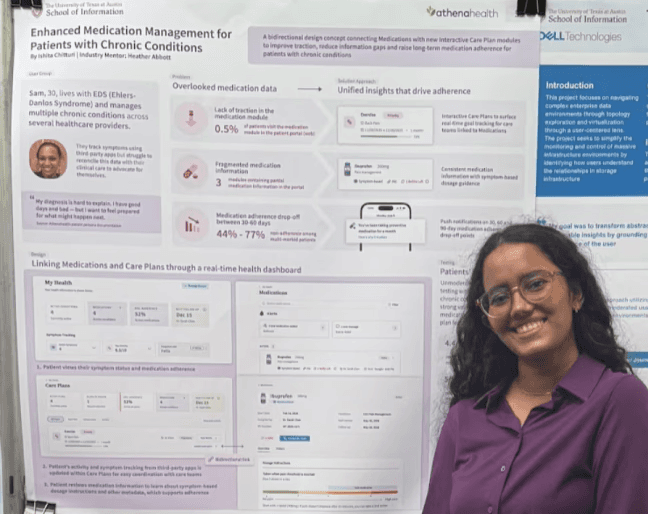
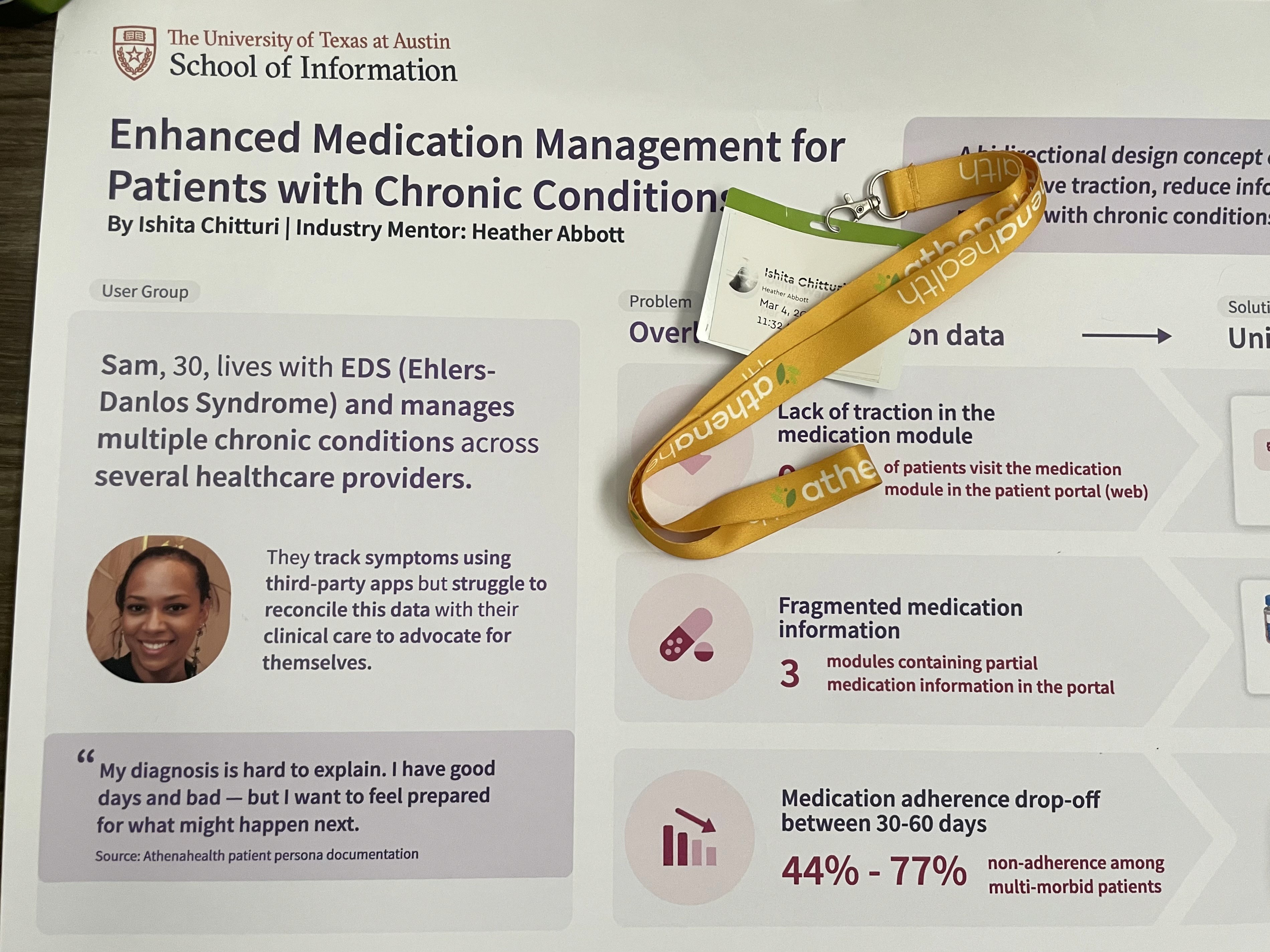
Exhibiting my work at the capstone exhibit @UT Austin

Presenting my capstone project poster at the UT Austin Capstone Showcase

Independent Validation

During the project's tenure, an internal Athenahealth research team independently developed and tested a near-identical concept featuring active health plan tracking, medication to-do lists, and real-time vitals dashboards.

I learnt how this helps in connecting the dots and bringing clarity within the messy, iterative processes which designers go through

LEARNINGS

User motivation has a ceiling in portal-only design

The usability sessions indicated positive patterns in terms of improved medication tracking and motivation for adherence; however, there's only so much a flat screen can nudge patient towards. The adherence issue is a highly nuanced and layered issue to resolve on a systems level scale.

Secondary research as a design compass when primary access is limited

Learning to zoom in and out as required through doing research using tools like Marvin was extremely helpful as the project had primary research constraints during the ideation phase,

Clinical liability reframing interaction design

Working with liability constraints pushed me to dig deeper and ideate on alternate ways of shifting from prescriptive recommendations to sharing pattern-based information with patients; this changed the entire interaction model for symptom-based dosage guidance.

LEARNINGS

Exhibiting my work at the capstone exhibit @UT Austin

Feature comparison table

(across direct and indirect competitors)

Exhibiting my work at the capstone exhibit @UT Austin

Presenting my capstone project poster at the UT Austin Capstone Showcase

Independent Validation

During the project's tenure, an internal Athenahealth research team independently developed and tested a near-identical concept featuring active health plan tracking, medication to-do lists, and real-time vitals dashboards.

Scrolled all the way? I sense a connection…

Let's Chat!

Scrolled all the way? I sense a connection…

Let's Chat!

© Designed with ♡ by Ishita

Create a free website with Framer, the website builder loved by startups, designers and agencies.